
Mpox
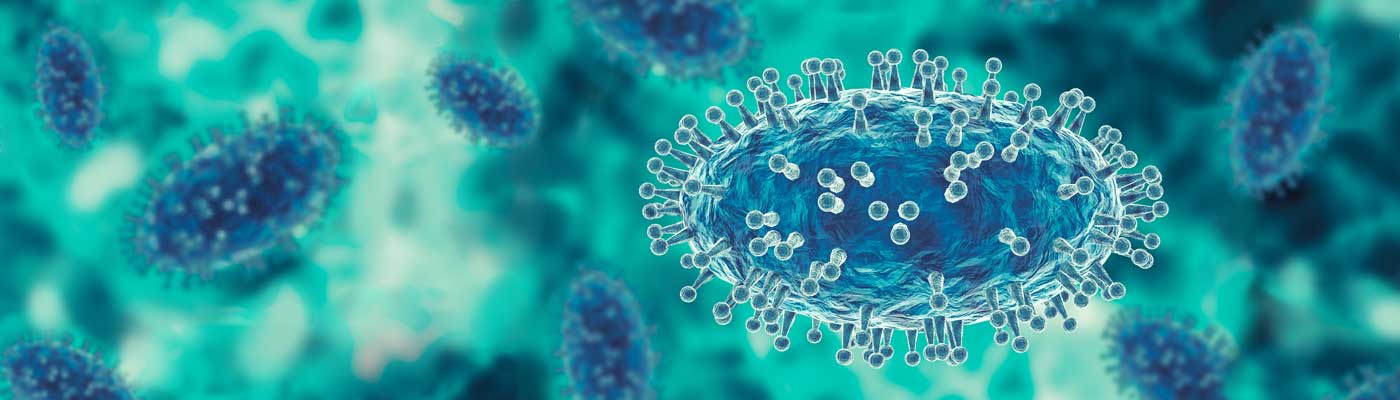
Mpox (previously known as monkeypox) is a viral zoonotic infectious disease (a virus transmitted to humans from animals) found in parts of Central and West Africa, that causes occasional human infections usually associated with exposure to infected animals or contaminated materials. For mpox outbreak updates, visit the Government of Canada website.
Frequently asked questions
What is the Mpox vaccine?
Mpox vaccine and eligibility
Imvamune® vaccine is approved in Canada for protection against Mpox. Each eligible person should be offered a two-dose series, each dose (0.5ml) of the Imvamune® vaccine. These doses should be at least 28 days between first and second doses. The vaccine contains modified virus and cannot make you sick.
The vaccine can be used for protection against Mpox before getting exposed to the virus (Pre-Exposure Prophylaxis – PrEP) or after being exposed (Post-Exposure Prophylaxis – PEP). It is not used as a treatment if you already have Mpox. At this time, people who have or have had Mpox are not eligible for the vaccine.
Where can I get an mpox vaccine?
Learn more about mpox vaccine availability on our Immunization Clinic page.
Who is eligible for an mpox vaccine?
Based on guidelines from the Ontario Ministry of Health, 2 doses of the pre-exposure mpox vaccine are available for individuals who are 18 years and older and meet one of the following criteria:
- Two-Spirit, non-binary, transgender, cisgender, intersex, or gender-queer individuals who self-identify as belonging to the gay, bisexual, pansexual and other men who have sex with men (gbMSM) community AND who meet one or more of the following:
- Have more than one partner
- Are in a relationship where at least one of the partners has other sexual partners
- Have had a confirmed sexually transmitted infection within the last year
- Have attended venues for sexual contact (e.g., bath houses, sex clubs)
- Have had anonymous sex (e.g., using hookup apps) recently.
- Sexual partners of individuals who meet the criteria above
- Sex workers (regardless of gender, sex assigned at birth, or sexual orientation) or who are a sexual contact of an individual who engages in sex work
- Staff or volunteers in sex-on-premises venues where workers may have contact with fomites potentially contaminated with mpox
- Individuals who engage in sex tourism (regardless of gender, sex assigned at birth, or sexual orientation)
- Individuals who anticipate experiencing any of the above scenarios
- Household contacts of those identified for pre-exposure vaccination eligibility above AND who are moderately to severely immunocompromised or who are pregnant may be at higher risk for severe illness from mpox infection and may be considered for pre-exposure vaccine. Individuals who meet this criteria should contact their health-care provider for more information.
- Research laboratory employees working directly with replicating orthopoxviruses are eligible to receive two doses of Imvamune®, 28 days apart as post-exposure vaccination or pre-exposure vaccination if there is an ongoing risk of exposure.
Receiving other vaccines before and after mpox vaccine
As per NACI, Imvamune® can be given at the same time or at any time before or after other live or non-live vaccines. If you are immunocompromised or on immunosuppressive therapies (this includes HIV positive with a CD4 count of less than 100) please speak with your health care provider to see if the vaccine is right for you.
The vaccine is free and available to all eligible people. No ID or OHIP required.
If you think you have mpox, it is important to isolate right away and contact a health care provider. Do not visit a mpox vaccine clinic. The vaccine is not used to treat mpox.
If I previously received two doses of the mpox vaccine, am I eligible for a booster dose?
If you have previously had two doses of the mpox vaccine, no booster dose is recommended at this time.
Who is eligible for post exposure-vaccination for mpox?
Anyone who self-identifies as a high-risk contact of a confirmed or probable case of mpox should contact Southeast Public Health for an exposure risk assessment to see if post-exposure vaccination would be recommended. When post-exposure vaccination is recommended, the first dose is ideally offered within four days (up to 14 days) from the date of the last exposure to individuals who are a high-risk contact of a confirmed or probable case of mpox. The second dose should be offered at least 28 days after the first dose.
How does it spread?
Mpox spreads in three ways:
- From person-to-person through respiratory droplets or through close, physical contact with someone who has mpox (especially from contact with the rash, bodily fluids, or scabs).
- By touching materials and objects (e.g., clothing, bedding, towels, eating utensils, and dishes) that may be contaminated.
- From someone who is pregnant to the fetus, or from a parent to a child during or after birth.
What are the symptoms?
Mpox is usually a mild illness, and most people recover on their own after a few weeks. People usually develop symptoms five to 21 days after being exposed to the mpox virus. Symptoms occur in two stages and typically last from two to four weeks.
In stage one, symptoms may include:
- Fever
- Chills
- Swollen glands
- Headache
- Muscle pain
- Joint pain
- Back pain
- Exhaustion
In stage two of the illness, a rash develops – usually within one to three days (sometimes longer) after the fever starts. The rash often starts on the face or arms and legs, however it can affect other parts of the body, such as the hands, feet, mouth, and genitals.
The rash usually lasts between 14 and 21 days and changes through different stages before finally forming a scab which later falls off.
You can be contagious and spread the virus one to five days before the rash develops. You can continue to be contagious until the scabs have fallen off on their own and the skin is healed.
Call a health-care provider immediately if:
- You develop symptoms of mpox.
- You have had contact with a known or suspect mpox case.
What should I do if I've been to a venue where there was someone with suspected or confirmed mpox?
Monitor for signs and symptoms for 21 days from the day you may have been exposed to someone with mpox.
If symptoms develop, see response to “What should I do if I develop symptoms of mpox”.
What should I do if I've been in contact with someone who has mpox?
Monitor for signs and symptoms of mpox for 21 days from the day of your last exposure to the person with suspected or confirmed mpox.
Consider wearing a mask (medical mask preferred) when you are indoors with other people.
Southeast Public Health will work to identify and notify close contacts of a person with mpox and may:
- Advise you to avoid non-essential interactions with people at higher risk of severe mpox illness.
- Advise you on whether Imvamune vaccine may help prevent mpox infection or reduce the risk of severe illness.
If you think you have been exposed to mpox, contact Southeast Public Health to see if you may be eligible to receive the Imvamune vaccine.
What should I do if I develop symptoms of mpox?
If you develop symptoms of mpox (including fever, headache, muscle aches, swollen glands, or rash or sores) you should contact a health care provider to get advice on testing and/or medical care and tell them if you think you have had contact with a person with mpox.
Follow these recommendations:
- Self-isolate at home if possible and avoid close contact with others, until you receive information from your local public health unit about when to end isolation. Stay in a separate room or area away from other people in the home and use a separate bathroom.
- Wear a medical mask.
- Cover any rashes or sores as best as possible when you are unable to avoid close contact with other people.
- People should not visit a person with mpox symptoms unless it is for an essential purpose.
- People with mpox symptoms should avoid contact with those at higher risk of severe illness including people who are pregnant or immunocompromised, and children under 12 years of age.
Clean your hands and the environment:
- Clean your hands often with soap and water or an alcohol-based hand sanitizer, including after touching the rash or sores, clothing, or objects and surfaces that may have had contact with the rash or sores.
- Clean and disinfect contaminated surfaces (e.g., bathroom, if shared) after use with regular household cleaners and disinfectants according to the manufacturer’s instructions.
- Do not share dishes or utensils when eating; however, dishes and utensils can be used by others in the home if these are properly washed between uses either in a dishwasher or in a sink, using warm water and soap.
- Avoid direct contact with any laundry and linens that have touched the rash, bodily fluids, and scabs of the person with mpox symptoms. Handle laundry and linens with care and avoid shaking. Laundry can be cleaned in a washing machine with warm water and detergent.
How do I self-isolate?
Stay home
- Do not use public transportation, taxis, or rideshares.
- Do not go to work, school, or other public places.
- Reschedule non-essential medical appointments.
- Rely on friends and family to pick up groceries, prescriptions, and other supplies, or use delivery services for these items. Be sure to instruct delivery drivers to leave items on your doorstep for you to collect.
Don’t have visitors or visit others
Do not have visitors or visit others during your self-isolation period.
Avoid contact with other household members and animals
- Minimize the amount of time any vulnerable family members or children are in shared spaces with you, such as kitchens or living rooms.
- Avoid sexual contact.
- Use a separate bathroom if available.
- Clean and disinfect shared areas every time you use them.
- Household members should wash their hands frequently.
- Avoid contact with animals, including pets, poultry, and livestock.
Wash your hands
- Wash your hands often with soap and water for 20 seconds.
- Dry your hands with a paper towel, or with your own cloth towel that no one else shares.
- Use an alcohol-based hand sanitizer if soap and water are not available.
Cover your rash
Cover skin lesions as much as possible (e.g., bandages, long sleeves, long pants).
Cover your cough and sneezes
- Cover your mouth and nose with a tissue when you cough or sneeze.
- Cough or sneeze into your upper sleeve or elbow, not your hand.
Clean surfaces and avoid sharing objects
Clean and disinfect surfaces with household cleaning products.
Double bag waste
- Dispose of contaminated waste (e.g., gauze, tissues, wound dressings) in strong bags, double bagged and securely tied.
- Wash hands after handling waste.
Wear a mask or face covering
If you have to be in a room with other people, keep a distance of at least two metres (six feet) and wear a mask.
Handle soiled laundry and linens with care
- Avoid direct contact with contaminated laundry (i.e., wear disposable gloves).
- Do not shake soiled laundry.
- Wash laundry with warm water and your usual detergent.
What do I do if I have been tested or test positive for mpox?
If you’ve been tested for mpox, self-isolate at home until your test results are known. If your test results are negative, you can stop self-isolating. If you test positive, continue to self-isolate at home until a staff person from Southeast Public Health contacts you to provide further information about when you can end your self-isolation.
If you need to seek medical care:
Call a health care provider ahead of time to inform them of your health status, that you are being tested for mpox, and about any contact you had with a person with suspected or confirmed mpox.
What is a close contact?
If any risk of exposure is present, you should monitor for signs and symptoms of mpox for 21 days from your last exposure. If you develop any symptoms isolate and contact your health-care provider as soon as possible.
High risk:
- You had intimate or sexual contact with someone.
- You had direct contact with someone’s rash.
- You had direct contact with contaminated surfaces or objects (bedding, linens, towels, clothing, sex toys, needles etc.).
- You live or care for someone in the same home.
Intermediate risk:
- You had contact with someone’s intact skin.
- You sat next to someone without direct skin contact (e.g., riding in a car).
Low risk:
You had a brief social interaction that did not involve direct contact.
No risk:
- You passed someone quickly.
- You greeted someone and kept your distance.
- You made a delivery to someone who is self-isolating, but had no contact with them.
What treatment is available for mpox?
Symptoms usually go away on their own without the need for any treatment. In specific rare situations, your health-care provider may recommend a medication for mpox.
Supportive care for managing symptoms includes:
- Letting the rash dry or covering the rash with a moist dressing to protect the area, if needed.
- Avoiding touching any sores in the mouth or eyes. If needed, mouth rinse or eye drops can be used, but products containing cortisone should be avoided.
How can I care for someone with mpox infection, or with symptoms that may be due to mpox infection?
If you need to provide care to someone with mpox symptoms or confirmed to have mpox, you should:
- Encourage the person to cover their rash and sores as best as they can (e.g., wearing a long sleeve shirt and long pants).
- Wear a medical mask and encourage the person to wear a medical mask when you are physically close to them.
- Avoid skin-to-skin contact.
- If you provide direct care that may involve touching the rash and sores, wear a medical mask and use disposable gloves.
- Clean your hands and the environment:
- Clean your hands often with soap and water or an alcohol-based hand sanitizer, including after touching the rash or sores, clothing, or objects and surfaces that may have had contact with the rash or sores.
- Clean and disinfect contaminated surfaces (e.g., bathroom, if shared) after use with regular household cleaner and disinfectants according to the manufacturer’s instructions.
- Do not share dishes or utensils when eating; however, dishes and utensils can be used by others in the home if these are properly washed between uses either in a dishwasher or in a sink, using warm water and soap.
- Avoid direct contact with any laundry and linens that have touched the rash, bodily fluids, and scabs of the person with mpox symptoms. Handle laundry and linens with care and avoid shaking. Laundry can be cleaned in a washing machine with warm water and detergent.
What animals can get mpox?
There are several types of animals that have been found to be susceptible to infection with mpox, including several species of rodents (e.g., rats, mice, hamsters, gerbils, squirrels, chipmunks, etc.), rabbits, hedgehogs, opossums, and non-human primates (e.g., monkeys). It is unknown which other species may be at risk of infection. Precautions should be taken to prevent exposure of any domestic or wild mammals to the virus.
Animals with mpox have been observed with clinical signs such as cough, fever, eye infections, lack of appetite, difficulty breathing, and rash. Veterinarians that suspect an animal has been infected with mpox should call the Ontario Ministry of Agriculture Food and Rural Affairs at 1-877-424-1300 to discuss the need for testing or management plans.
The risk of infection in different animal species is unclear, and because the mpox virus could be carried from one person to another on an animal’s coat or feathers, it is best to find someone else to take care of your pet until you are out of isolation.
I have pets in my home. What precautions should I take if I have mpox or symptoms of mpox?
- Keep your pets in your home. If possible, ask someone else in your home who is not sick and who has not been exposed to care for your pets.
- Avoid close or prolonged contact with pets, for example, avoid direct contact, including touching, snuggling, and kissing animals, especially if you have unhealed sores on your face, hands, or arms.
- Take precautions when providing care for pets, for example, wear a mask when in the same room as your pet, especially if you have sores in your mouth or are coughing or sneezing. Wash your hands with soap and water or use an alcohol-based hand rub immediately before and after touching pets, their food, or supplies.
What if my pet becomes sick while I am isolating?
If your animal is in quarantine with you and becomes sick, it is preferred to first seek care from a veterinary telemedicine service, to assess if the animal’s condition can be managed at home.
If your pet must be examined directly by a veterinarian or requires other procedures that cannot be reasonably delayed until the end of the isolation period, your veterinarian should be advised that your pet may have been exposed to mpox.
Your veterinarian should then contact the Ontario Ministry of Agriculture Food and Rural Affairs at 1-877-424-1300 to ensure that they have proper infection control procedures in place and appropriate personal protective equipment prior to attending your pet at home (ideally) or at a veterinary clinic (if necessary).
I own or work with livestock or poultry, and I think I may have been exposed to mpox. What should I do?
Any person who may have been exposed to mpox should not work with livestock or poultry until they are advised by their physician or public health that they don’t pose any risk for transmission of the virus.
Animal owners are responsible for providing basic care for their animals including food, water, and shelter. Livestock and poultry producers should always have a plan in place for others to provide care for their animals in case of emergencies, including the need to self-isolate due to illness.