
Introducing solid foods
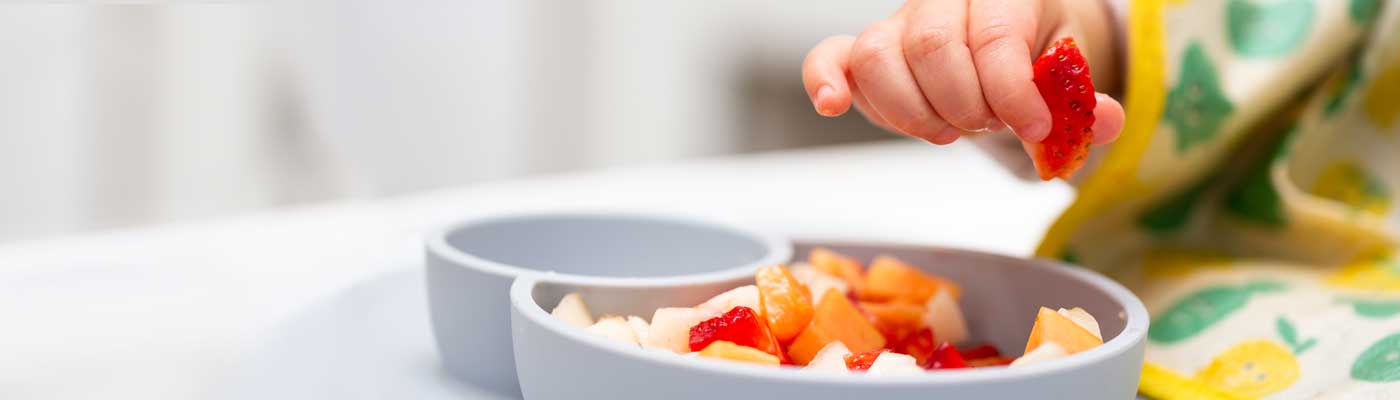
Feeding your baby solid foods (Newborn to 12 months)
The information on this page is for healthy babies, born full term (after 37 weeks). If your baby was born preterm (before 37 weeks) or has a health condition, the guidelines may be different. Talk to your health-care provider about the best way to feed your baby.
At around six months of age, your baby’s nutrition needs start to change. Solid foods help meet their changing needs. Most babies are ready for solid foods at six months of age. Some babies may be ready a few weeks before or after they are six months old.
Review Feeding Your Baby: six to 12 months from Ontario Dietitians in Public Health, to learn about feeding your baby solid foods, including information on iron-rich foods, food allergies, and textures.
Is my baby ready for solid foods?
To find out if your baby is ready for solids, ask yourself:
- Is my baby about six months old (or older)?
- Can they hold their head steady without any support?
- Can they sit up in a highchair and lean forward without any support?
- Can they open their mouth wide if offered food?
- Can they turn their head away when they are full?
- Can they pick up food and try to put it in their mouth?
If you answered yes to all these questions, your baby is ready for solid foods.
If you answered no to one or more questions, your baby is not ready for solid foods. Talk to your health-care provider if your baby is not ready for solid foods, but you think they should be.
How much food should my baby eat?
Every baby will eat different amounts of food from day to day.
Start by offering one to two tablespoons of food. Give your baby more if they show they are hungry. Stop feeding when they show they are full. Let your baby decide how much to eat.
You will know your baby is hungry when they:
- Lean forward
- Reach for food
- Smack or suck their lips
- Open their mouth when food is offered
- Put their fist in their mouth
You will know your baby is full when they:
- Turn their head away
- Close their mouth when food is offered
- Cover their mouth with their hand
- Fuss or cry
When can I offer drinks in an open cup?
Offer drinks in an open cup instead of a bottle or “sippy” cup, starting at six months. At first, your baby will need help with the cup.
Why use an open cup?
- Drinking from an open cup lowers risk of tooth decay. It also keeps your baby from filling up on liquids, so they are still hungry for other foods.
- If your baby drinks from a bottle, switch to an open cup by about 12 months and no later than 18 months of age.
- If you are breastfeeding (chestfeeding), continue to breastfeed for up to two years or longer while offering other liquids in an open cup.
How can I make mealtimes positive?
Eat together
- Mealtimes are a chance to connect with your baby and to be a role model. Offer the same food that the rest of the family is eating, just modify it so your baby can eat it safely.
Schedule regular meals and snacks
- Offer meals and snacks every two to three hours. Your baby should come to the table hungry, but not too hungry.
Avoid games and tricks to get your baby to eat
- It is normal for babies to accept food one day and refuse it the next.
Limit distractions during meal and snack times
- Distractions like toys, screens, and pets make it hard for your baby to focus on eating.
Be patient
- Babies will make a mess as they learn to feed themselves. Use a wide bib and keep a warm, wet washcloth close by to make clean-up easier.
How can I prevent choking?
Hard foods, small and round foods, and smooth and sticky foods can block your child’s airway. Your baby may cough or gag on food as they try different textures and finger foods. This is normal and part of learning how to eat solid foods.
- Always supervise your baby and young child while they are eating.
- Make sure your child is sitting upright. Car seats and rockers are not a safe place for your baby or child to eat.
- Know what to do if choking occurs. Take training in first aid and CPR (cardiopulmonary resuscitation).
Never offer these foods to babies and children younger than four years of age:
- Big pieces of raw vegetables and hard fruits
- Small, round, or oval-shaped food (e.g., whole grapes and small tomatoes)
- Dried fruit (e.g., raisins)
- Whole nuts or seeds
- Nut butters spread thickly
- Fish, meat, or poultry with bones
- Hot dogs and sausages
- Hard candies, suckers, cough drops, or gum
- Popcorn
- Marshmallows
- Snacks using toothpicks or skewers
To make foods safe for your baby:
- Grate or thinly slice raw vegetables or hard fruit.
- Cut small, round or oval-shaped food into quarters.
- Spread nut or seed butters thinly on crackers or toast.
- Slice hot dogs and sausages lengthwise and cut into small pieces.
For nutrition information including recipes and sample menus, visit unlockfood.ca. To speak with a registered dietitian, contact Health811 by calling 811.