
Alcohol

Alcohol is a highly popular legal drug. However, many people regularly drink at levels that put their health at risk.
If you choose to drink you can lower your health risks by following Canada’s Guidance on Alcohol and Health.
Guidance on Alcohol and Health
In January 2023, the Guidance on Alcohol and Health was released by the Canadian Centre on Substance Use & Addiction. The new guidance helps people make informed choices about their own health and alcohol consumption. One of the main messages is: If you drink alcohol, it’s better to drink less. Learn about the key messages.
Drinking alcohol, even in small amounts, is damaging to your health and can increase health risks, including seven types of cancer, most types of cardiovascular diseases, liver disease, and violence.
There is a clear continuum of risk associated with average weekly alcohol consumption, where the risk of harm from alcohol is:
- Low for individuals who consume two standard drinks or fewer per week;
- Moderate for those who consume between three and six standard drinks per week; and
- Very high for those who consume seven standard drinks or more per week.
Remember, any reduction in your alcohol use is beneficial. Count your drinks and try to limit yourself to no more than two standard drinks per occasion to reduce the risk of injuries and harm to yourself and others.
When pregnant or trying to get pregnant, zero is best as there is no known safe amount of alcohol use.
When breastfeeding, not drinking alcohol is safest.
Alcohol health risks
Short-term health effects
May include an increased risk of injury from:
- Falls
- Motor vehicle collisions
- Fights
- Family violence
- Child abuse
- Sexual assault
Long-term health effects
- Heart disease
- High blood pressure
- Stroke
- Liver disease
- Cancers of the head and neck, liver, colon, and breast
- Alcohol dependence
- Anxiety
- Depression
- Suicide
If you choose to drink you can lower your health risks by following Canada’s Guidance on Alcohol and Health.
To help track how much you are drinking, see Knowing Your Limits With Alcohol – A Practical Guide to Assessing Your Drinking.
If you need help, view the list of substance use health and harm reduction services on our mental health and substance use services page.
What is a standard drink?
A standard drink is a unit of measurement used to define the amount of alcohol in a beverage.
One standard drink of alcohol in Canada is:
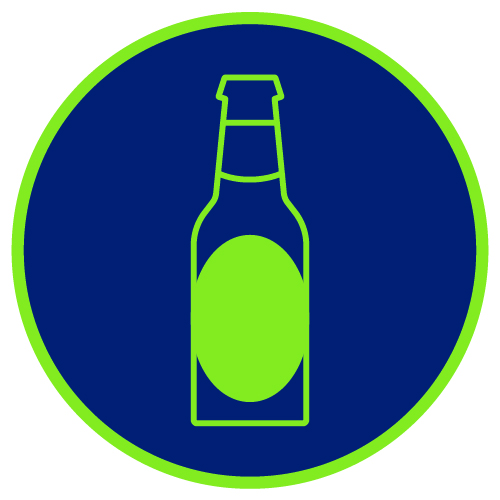
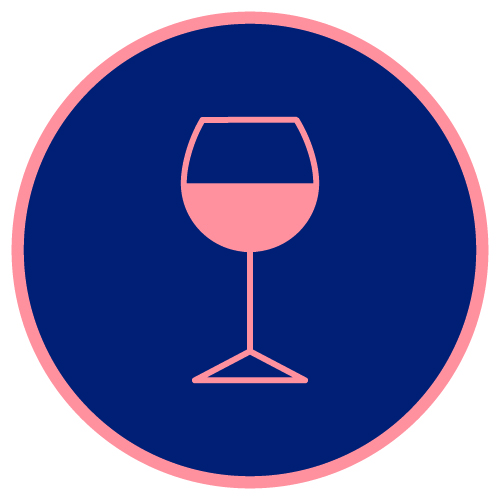
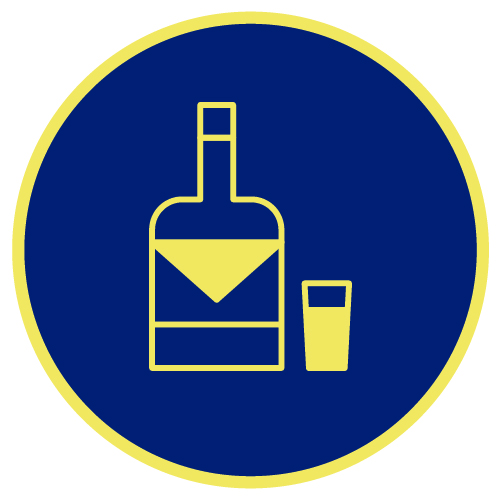
How many standard drinks have you really had?
Serving sizes may be larger than you think. Check your pour. Know how much is in your drink.
Beer: A tallboy (473 mL) = 1.4 standard drinks. A pint (568 mL) = 1.7 standard drinks. A pitcher (1,776 mL) = 5.2 standard drinks.
Wine: A large glass (9 oz./255 mL) = 1.8 standard drinks. A half carafe (500 mL) = 3.5 standard drinks. A bottle (750 mL) = 5.3 standard drinks.
Liquor: A mixed drink (3 oz./86 mL) = 2 standard drinks. A mickey (375 mL) = 8.8 standard drinks. A bottle (750 mL) = 17.5 standard drinks.
Alcohol poisoning
Alcohol poisoning is a serious problem that can occur when someone drinks too much alcohol too fast. Alcohol is metabolized by the liver, but it takes time! It can take your body over an hour to process (metabolize) one standard drink.
Signs of alcohol poisoning include:
- Unconsciousness and cannot be awakened
- Breathing slowly or irregularly – less than eight breaths per minute, or a gap of more than 10 seconds between breaths
- Cool, clammy, pale, or bluish skin
- Seizures
- Vomiting while sleeping
If you suspect someone has alcohol poisoning:
- Call 911
- Put the person in the recovery position
- Do not leave the person alone until help arrives
Recovery position
If someone passes out from drinking alcohol, you can help reduce the risk of choking by moving them into the recovery position:
- Raise the person’s arm closest to you straight above their head. Straighten their leg closest to you. Bend the other leg at the knee and bring the other arm across the chest.
- Gently roll the person towards you, guarding their head from injury.
- Tilt the head to maintain airway. Tuck the nearest hand under the cheek to maintain head tilt.