
Avian influenza (bird flu)
The Ontario Ministry of Health is providing a limited number of avian influenza A(H5N1) vaccinations to help protect those who work in settings with higher risk of interacting with Highly Pathogenic Avian Influenza (HPAI). Although the overall risk to the general public remains low, individuals who are in close, ongoing contact with infected animals, or those who interact with the virus in occupational settings, may face more risk of exposure, and are therefore eligible for avian influenza vaccination.
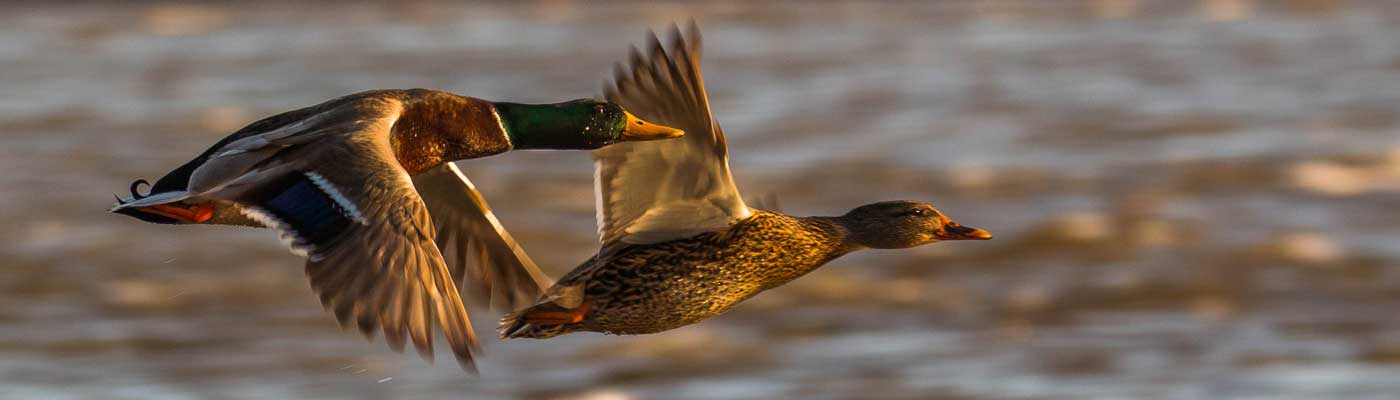
Avian influenza, also known as « bird flu, » is caused by a virus. This disease can infect wild birds, such as geese, ducks, and shore birds and can infect domestic poultry. Wild birds, especially waterfowl, are natural carriers of mild strains of avian influenza. The highly pathogenic avian influenza (HPAI) strain H5N1 is known to kill both wild birds and commercial poultry including chickens, turkeys, quails, and guinea fowl.
The risk of transmission to humans is low as the virus does not typically pass from birds to humans.
Avian influenza vaccine eligibility
The vaccine is currently available for the following groups:
- People with ongoing contact with known infected birds or other infected animals, such as:
- Wildlife officers, researchers, rehabilitators who handle dead or sick birds or mammals (e.g., bird banders)
- Veterinarians or veterinary technicians who are exposed to dead or sick birds or mammals with avian influenza A(H5N1) (e.g., necropsy).
- People who handle live avian influenza A(H5N1) virus in laboratory settings:
- Examples include laboratory workers who manipulate, handle, or culture live avian influenza A(H5N1) virus such as in research, industrial, or clinical reference laboratory settings.
- Hunters and trappers are not eligible since they typically deal with live, healthy animals. Eligible populations may change over time if the context and risk change in Ontario
For more information on the avian influenza vaccine being offered to eligible populations in Ontario, please visit the Public Health Ontario website.
The signs of avian influenza in birds
- lack of energy or movement
- nervousness, tremors or lack of coordination
- swelling around the head, neck and eyes
- coughing, gasping for air or sneezing
- diarrhea
- sudden death
How to report sick or dead birds
Do not handle sick, injured, or dead wild birds. Keep pets away. Report sick or dead birds (including waterfowl) to the Ontario Regional Centre of the Canadian Wildlife Health Cooperative at 866-673-4781 or complete the online reporting tool on the Canadian Wildlife Health Cooperative website.
How to protect backyard flocks and pet birds
For information about prevention and protection of backyard flocks and pet birds visit Ontario Ministry of Agriculture, Food, and Rural Affair’s Biosecurity Recommendations for Small Flock Poultry Owners and Canadian Food Inspection Agency’s (CFIA) How to prevent and detect disease in backyard flocks and pet birds. Protect yourself and your family by learning how infected backyard poultry could spread bird flu to people, from the Centers for Disease Control and Prevention (CDC).
If you suspect that your birds could have avian influenza, please contact your veterinarian or the Canadian Food Inspection Agency by calling 226-217-8022.
Eating poultry and eggs
- According to the Canadian Food Inspection Agency (CFIA), there is no evidence to suggest that eating cooked poultry or eggs could transmit avian flu to humans.
- Practice safe food handling and cooking practices for poultry and poultry products (e.g., eggs).
Protecting yourself
- Stay away from wild birds.
- Avoid unprotected contact with domestic birds that appear to be sick or have died.
- Avoid contact with surfaces that appear to be contaminated with feces from wild or domestic birds.
- Wash hands thoroughly with soap and water immediately after unavoidable contact with birds or their droppings.
- Report sick or dead wild birds that are on municipal property to your local municipality and on the Canadian Wildlife Health Cooperative reporting tool or by calling 1-866-673-4781.
If you become ill and think you may have been exposed to an infected animal, contact your health care provider immediately.
Protecting your pets
- When outdoors ensure pets stay away from sick or dead birds or animals.
- Keep your cats indoors and dogs on a leash when out for a walk.
- Consult with your veterinarian if your pet is sick or for more information on avian influenza in pets, and visit the Government of Canada website for more information on protecting your pets.
What to do if you find sick or dead birds on private property
Check with your local municipality for approved methods of disposing of dead birds. If your municipality allows, residents can bury (minimum one metre deep) or double bag dead birds and place in garbage for your regular garbage pick-up. Large numbers of dead wild birds should be managed as instructed by the Canadian Wildlife Health Cooperative.
If you have to handle a sick or dead bird you should:
- Wear gloves at all times when handling wild bird carcasses and avoid contact with blood, body fluids and feces.
- Use a small shovel to move the bird if possible, even while wearing gloves and place dead bird in a double bag.
- Place the bag carefully in a covered garbage container where it will be out of reach of pets, curious children or scavengers.
- Clean and disinfect any tools used in a solution of at least one part bleach to nine parts water.
- Wash your hands thoroughly with soapy, warm water or use hand sanitizer, even if gloves are worn.
What to do if you find sick or dead birds on public property
Dead birds found on municipal property can be reported to the local municipality for pick up.
Dead or sick bird sightings can also be reported using the Canadian Wildlife Health Cooperative reporting tool or by calling 1-866-673-4781.
Dashboard
The Canadian Food Inspection Agency maintains a National Dashboard for Highly Pathogenic Avian Influenza in Canada.