
The cost of eating well
The cost of eating well in the Southeast Public Health region in 2025
Everyone deserves the right to adequate, healthy, safe, affordable and culturally appropriate food. People who live with food insecurity cannot afford to buy the food they want and need for good health.
Request your copy of the report

In 2024, about one in four households in the Southeast Public Health region lived with food insecurity.
Food insecure households are likely to:
- Worry about running out of food.
- Compromise their food quality.
- Reduce their food intake.
- Experience disrupted eating patterns.
Food insecurity negatively affects health:
- Children who are hungry are more likely to have poor childhood mental health and develop asthma later in life.
- Adults who are food insecure have poorer physical and mental health and are more likely to have chronic conditions such as depression, diabetes and heart disease.
- Food insecure adults with chronic conditions have more difficulty managing their conditions.
Food insecurity is highest among:
- Indigenous Peoples and racialized Canadians.
- Households earning low wages or on social assistance.
- Single mothers.
- Households with children.
- People who rent their home.
Households on low incomes are often forced to compromise healthy eating to pay for other expenses.
Determining the cost of eating healthy in our community
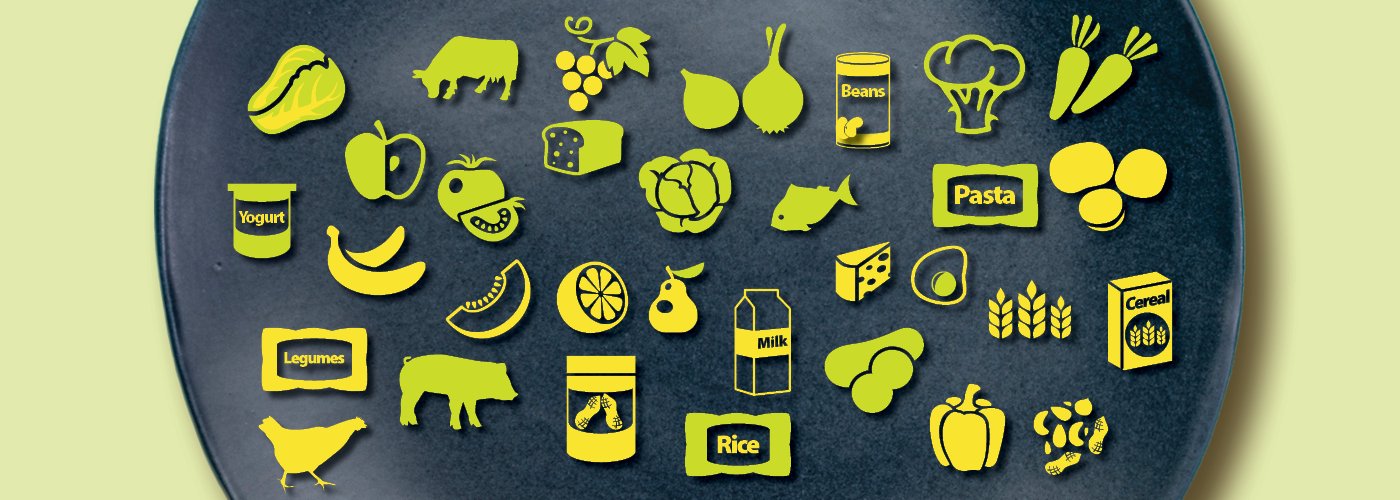
Southeast Public Health determines the cost of eating healthy by surveying the cost of food items from the National Nutritious Food Basket. The 61 foods costed reflect a healthy eating pattern from Canada’s Food Guide.
Typically, grocery stores are surveyed in the spring across the health unit jurisdiction. The lowest available price is recorded for each food item in each store. The prices from all the stores are then averaged. An extra five percent is added to the total food cost to account for additional food items such as spices, seasonings, condiments, baking supplies, soups, coffee, and tea.
What items are not included in this food costing?
- processed convenience foods
- popular snack foods
- special dietary foods
- infant foods
- religious or cultural foods
- soap, shampoo, toilet paper and other personal care items
This also does not include costs associated with take-our or fast-food, eating at restaurants or extra costs for inviting company to share a meal.
What else should you know about this food costing?
- It assumes that most people have the necessary time, food skills, and equipment to prepare meals from scratch.
- It assumes that the consumer has access to grocery stores and grocery shops regularly (every one to two weeks).
What can you do?
Learn
- Learn more about why food insecurity is a serious public health problem.
- Review the Public Health Ontario and Ontario Dieticians in Public Health report on Food Insecurity and Food Affordability in Ontario along with the accompanying infographic and technical guide.
- Learn more about why income solutions are needed to reduce food insecurity.
Spread the word
- Talk about the problem of food insecurity at your dinner table or at social gatherings.
- Share the Cost of Eating Healthy report with your peers, colleagues, and partner agencies.
Ask for action
- Talk to your local political leaders to act on income-based solutions to food insecurity, listed in the Cost of Eating Healthy report.
- Write letters to urge elected officials to act on food insecurity by implementing policy interventions that improve income security, listed in the Cost of Eating Healthy report.