
Food and water-borne illness
If you are a partner organization, employer, or educator, find more information:
Food safety and food security
Warming temperatures, changing precipitation patterns, and more frequent and severe extreme weather events will increase risks to food security and safety through:
- Reduced food accessibility and availability
- Rises in food prices
- Negative effects on nutritional content and overall agricultural yield
- Disruptions to food systems
Health impacts
Climate change is projected to influence the quality and quantity of food. Floods and droughts may introduce chemical contaminants into food systems that are harmful to health. Changes to precipitation, temperature, and extreme weather events are also likely to increase the introduction of pathogens (viruses, bacteria, parasites) to food that can cause illness. This may result in increased food-borne illnesses such as:
Who is at risk?
While everyone is at risk of food-related health impacts associated with climate change, those at greater risk include: infants and young children, people living in remote or rural areas, Indigenous communities, people who already face food insecurity and people who are pregnant.
Staying safe
To prevent food-borne illnesses, ensure food is cooked to the proper internal temperatures. You can reduce your risk of food poisoning by thoroughly cooking your food.
- Always wash hands and produce thoroughly.
- Ensure food is stored properly, especially during or after a power failure.
- Visit the Canadian Food Inspection Agency to stay up-to-date on current food recalls.
What is Southeast Public Health doing?
Southeast Public Health:
- Inspects facilities where food is prepared, served, and sold
- Provides food safety education
- Works with local governments and community partners to support a sustainable food system that is resilient to climate change
Water quantity and quality
Through changes to precipitation and temperature, climate change is predicted to result in:
- Reduced water quality.
- Changes in water quantity.
- Sea level rise and loss of ice in Canada.
This will put pressures on natural water systems (e.g., algae blooms, low water levels) as well as human drinking water and wastewater systems.
Health impacts
Access to safe water is important for everyone’s health and well-being. Water-related health risks associated with climate change include:
- Threats to drinking water and irrigation supplies
- Physical injuries and mental health impacts from floods and droughts
- Threats to health and well-being due to the consequences of water insecurity
- Increases in water-borne diseases such as:
Who is at risk?
While everyone is at risk of water-related health impacts associated with climate change, those at greater risk include: infants and young children, people living in rural/remote areas who rely on private wells or small drinking water systems, Indigenous communities, people who already face water insecurity and people who are pregnant.
Staying safe
Stay alert for signs of harmful algae blooms in waterways, especially where water is shallow, slow moving, warm, or has been contaminated with fertilizer, sewage, or phosphate soap. If you suspect harmful algae blooms in a waterway, do not swim, drink or use the water and keep animals away.
- If your drinking water comes from a private water supply such as a well, you should regularly test your water.
- Stay alert for signs warning against swimming or entering the water at local beaches.
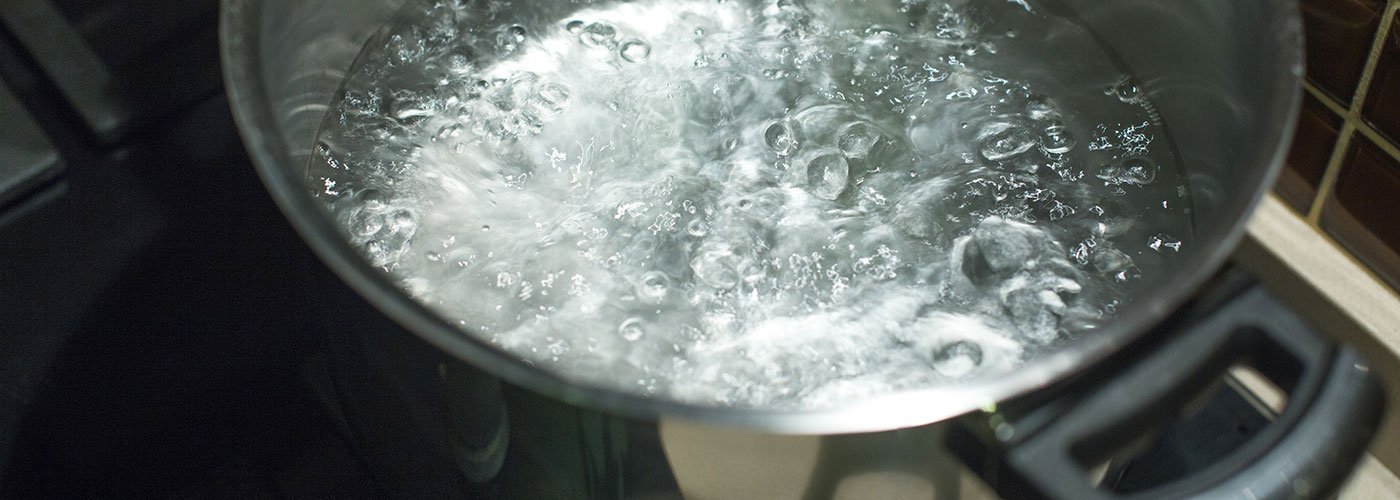
- Stay alert for boil water advisories.
What is Southeast Public Health doing?
Southeast Public Health:
- Monitors public beaches for water safety
- Collaborates on blue-green algae
- Runs safe water programs, including well testing and small drinking water systems
Frequently asked questions
How should babies be fed when drinking water isn't safe?
Young children have immune systems that are not fully developed and are at increased risk of illness. Breastfeeding or chestfeeding is safe to continue in the absence of safe water.
If a baby is being fed infant formula, formula preparation guidelines should be followed. Access to safe water is required to sterilize equipment such as bottles, and to prepare some types of formula. Powdered infant formula is not sterile so it is critical to prepare it properly.
If safe water is not available, ready-to-feed formula in pre-filled bottles is the safest option.